
Hot Water Heat Pumps
Upgrade Your Hot Water Experience and Cut Costs
Hot water heat pumps are the latest innovation in transforming how we get hot water for home, and business premises. Their efficiency is outstanding and their popularity is also driven by the numerous financial incentives currently available for those wishing to save money, and upgrade their appliances to more sustainable alternatives.
While solar water heaters in Australia are popular renewable alternatives, hot water heat pumps are gaining more popularity as sustainable options for heating water because they use significantly less energy than traditional hot water units.
Let’s help you better understand what a hot water heat pump does and how you can make the most valuable choice.
Understanding Hot Water Heat Pumps
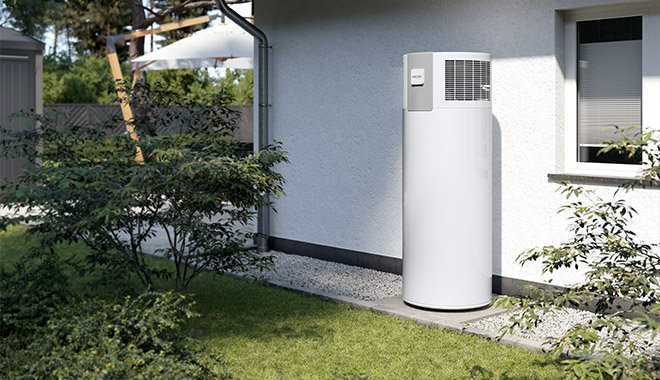
Heat pumps are innovative water heaters designed to utilise heated air to warm water stored in an insulated storage tank. They operate using only about one-third of the energy required by conventional water heaters, saving up to 70% on hot water energy costs. Also, unlike other domestic water heater systems, heat pumps transfer heat rather than generate it.
This substantial reduction in energy consumption and the resulting significant cost savings have encouraged many individuals and families to upgrade their domestic water heater systems.
How a Hot Water Heat Pump Works
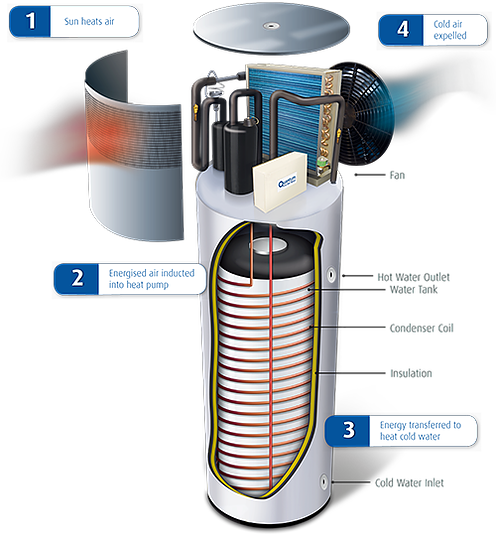
Conventional domestic water heater systems, such as electric or gas water heaters, use electricity or natural gas to provide hot water for homes. However, heat pumps use electricity only to separate heat from the surrounding air.
Using a reverse refrigerator cycle, a heat pump extracts heat from the environment or inside your home. Heat in the air is then absorbed by a CFC-free refrigerant inside the evaporator coil, while cool dehumidifier air is expelled.
The refrigerant is then pumped through a compressor, which increases the temperature further. The heat is transferred throughout the insulated water tank cylinder by water or refrigeration cycle process.
Essentially, a heat pump will draw in air from its surroundings, with little significance to how hot or warm that air is. This is because that air is then pressurised, and this pressure causes the atoms in the air to bump into each other, causing friction, which then leads to an increase in temperature. This heat energy is then used to heat your water to the desired degree.
Transferring heat instead of generating it makes hot water heat pumps 2 to 5 times more energy efficient than a standard electric water heater, saving you money and energy. Essentially, this system operates as a renewable hot water solution but doesn’t depend on solar power, unlike solar water heaters in Australia. Now, combine that with solar panels, and you have just exponentially increased your savings!
Hot water heat pumps can last 10 to 15 years on average. However, they can last over 15 years when used and maintained properly.
Types of Hot Water Heat Pumps
There are two types of hot water heat pumps:
Integrated vs. Split System
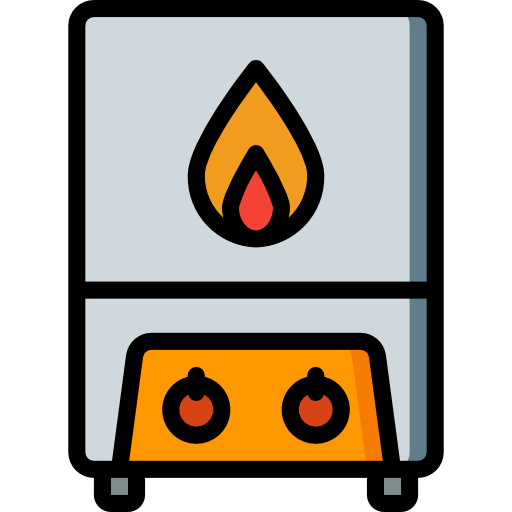
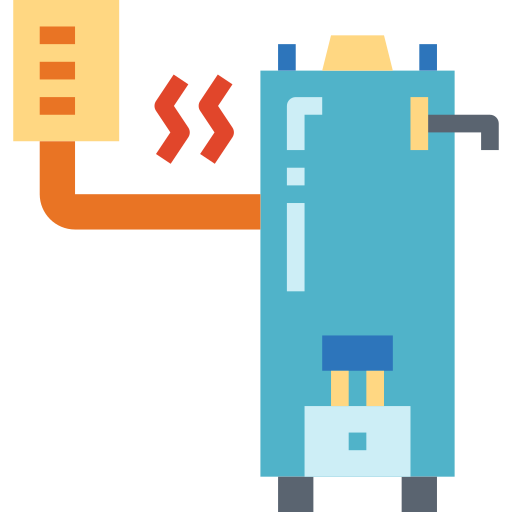
Hot water heat pumps are typically a unified unit placed indoors or outdoors on the ground. These integrated types are usually heavier than split systems. Alternatively, the system can be divided into an outdoor heat pump and a storage tank, which may be indoors or outdoors. The two units are then linked through refrigerant piping.
Air-source vs. Ground-source
Benefits of installing a Hot Water Heat Pump
- Hot water heat pumps are eco-friendly alternatives that do not depend on fuel like standard electric, gas and solar water heaters in Australia.
- With significantly lower energy consumption compared to hot water units like electric, gas and solar water heaters, heat pumps can reduce your utility bills by up to 70%.
- Installing and using a heat pump makes for increased energy efficiency, whilst providing reliable, flawless hot water for home and business premises. All the while, you’d also be reducing your carbon footprint.
- You can access government rebates for replacing your conventional electric or gas water heater with an efficient hot water heat pump, reducing the outlay significantly.
- Heat pumps help you save money long-term since they are cheaper to maintain than hot water systems like standard gas and solar water heaters in Australia.
- Although a heat pump utilises heated air by the sun like solar water heaters, they do not require solar panels to be installed on your rooftop, making their installation easier. However, it requires a flat and sturdy base for optimal positioning.
Is a Hot Water Heat Pump RIGHT FOR YOU?
Preferred Brands







At 365 Solar Australia, we only install high-quality hot water heat pumps from reputable brands such as iStore, Rheem Ambiheat, Steibel Eltron, Enviroheat Enviroflow, Rinnai, and Reclaim Energy. We do have access to several other brands, but refuse to work with any system that is cheap-and-nasty.
Choosing the Right Hot Water Heat Pump

How Much You Can Save By Installing a Hot Water Heat Pump
An average three-person household can save between $372 and $680 annually by switching from a traditional water heater unit to an efficient hot water heat pump. In addition, many utility companies offer rebates for such upgrades.
In Victoria, you can save up to $2000 with Federal and Victorian government rebates when you make the switch and install a hot water heat pump system. These rebates include:
- Australian Government Small-Scale Renewable Energy Scheme: Purchasers of new hot water heat pump systems, including those replacing existing hot water systems, qualify for the Small-scale Technology Certificates (STCs). This is a rebate offered by the federal government to incentivise investments in small renewable energy systems.
- The Victorian Energy Upgrades (VEU) program: This program extends special discounts on selected hot water heat pump systems. When you replace an inefficient gas or electric water heater with a heat pump, you can potentially receive a rebate of between $330 and $840, depending on the size and efficiency of the unit installed.
- The Solar Victoria Hot Water Rebate: This rebate is handed out to eligible households, enabling them to save up to $1000 on the purchase and installation of an eligible hot water heat pump. It is an ideal opportunity for homeowners to upgrade to a more efficient and eco-conscious hot water system, helping you reduce energy bills and reduce your environmental impact.
Frequently Asked Questions
Yes. A hot water heat pump system can drastically reduce your electricity use compared to conventional electric or gas water heaters. Because it moves heat rather than directly generating it, it uses much less power. Over time, the savings in energy bills can offset the upfront cost, especially in climates like Melbourne.
Yes. Modern heat pump systems are designed to perform effectively in Melbourne’s climate, even during cooler months. Many units include frost protection, defrost cycles, and efficient design to maintain performance in lower ambient temperatures.
A heat pump system extracts heat from ambient air and transfers it to water inside an insulated tank through a heat exchanger. It uses a compressor and refrigerant cycle, similar to a reverse air conditioning unit. Unlike traditional heaters, it does not rely on electric heating elements for the bulk of the heating.
Installation typically involves placing the heat pump unit outdoors (or in a well ventilated space), connecting it to the storage tank (for split systems) or combining it with the tank (for integrated units), routing the plumbing and electrical wiring, and ensuring the system is located for optimal performance and ventilation. Systems must also be positioned to avoid noise disruption and ensure proper airflow.
Yes. In Victoria, eligible households and properties can access Victorian Energy Upgrades (VEU) rebates and possibly Solar Victoria hot water rebates, which help reduce the upfront cost of installing heat pump systems.
High quality heat pump systems often come with warranties of 10 to 15 years and can last longer with good maintenance. Their performance gradually declines over time but with proper installation and servicing, they remain effective for many years.
Yes. Many existing systems can be replaced. A heat pump upgrade often involves modifying plumbing, electrical connections, and possibly upgrading circuits or wiring. At 365 Solar, we assess your current setup and plan the retrofit to ensure smooth integration.