
Australia’s move to rooftop photovoltaic (PV) systems has been extraordinary and Melbourne is at the heart of this renewable energy transformation. While many homeowners and businesses are choosing to adopt solar, the performance of solar panels in Melbourne can vary significantly between suburbs. In this blog, we explore why this occurs, what influences output in different areas, and how professional solar installation Melbourne services can make a difference to system performance and long‑term savings.
Why Solar Performance Differs Between Suburbs
Not all roofs and locations are equal. Even within the same city, differences in sunlight exposure, roof orientation, shading, and household usage patterns can create variations in how much energy a solar system generates. Understanding these nuances helps homeowners make informed decisions before committing to a system.
Climate and Sunshine Patterns
Melbourne is famous for its changeable weather, often described as having “four seasons in one day”. Despite this reputation, the city still receives a healthy amount of sun throughout the year, making solar a viable option. Average solar irradiance is sufficient for strong electricity generation on most days.
However, Melbourne’s climate does vary from suburb to suburb, particularly between inner city areas and outer metropolitan regions. Outer northern and western suburbs tend to enjoy more clear, sun-filled days compared to inner suburbs where cloud cover and pollution can be locally higher. These variations affect how much energy solar panels in Melbourne can generate on a typical day.
Roof Orientation and Suburb Layout
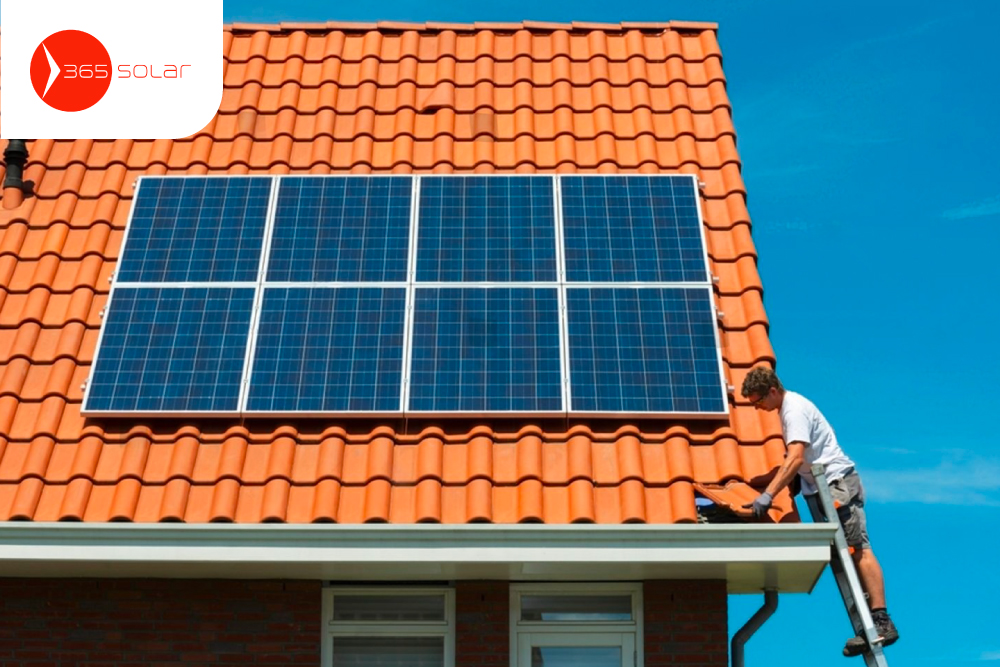
One of the most critical factors in solar performance is roof orientation. Panels perform best when they face true north, maximising direct sunlight exposure.
Suburbs with older housing stock often have more varied roof directions and features like multiple gables or roof extensions, which can make it difficult to achieve optimal panel placement. Newer estates or more spacious suburban blocks tend to have simpler roof designs that make it easier to face panels northwards. For this reason, suburbs with newer developments often show stronger solar performance.
Shading and Urban Density
Shading from trees, neighbouring buildings or other obstructions can significantly reduce the energy that solar panels generate. In leafy suburbs with established vegetation and close-built homes, rooftop shading can reduce overall output, especially during winter months when the sun is lower in the sky.
Areas with lower housing density and fewer tall trees allow for cleaner sunlight exposure and can therefore produce higher annual yield from solar systems. For owners considering solar, assessing shading at different times of day is an essential step before installation.
Local Adoption and Solar Culture
Suburb-level adoption also plays a role. Suburbs that embrace rooftop solar widely tend to have better installations and higher public awareness of optimal system design. According to Clean Energy Council data, suburbs like Tarneit and Craigieburn have high numbers of installations, reflecting strong community interest and likely effective system setups.
Financial Incentives and Government Support
While not directly influencing physical performance, financial incentives affect how many houses choose to install solar and how well systems are sized and positioned. Victorian Government programmes such as rebates on systems and interest-free loans for batteries have helped accelerate adoption in many suburbs.
Where rebates are targeted or particularly effective, take-up rates tend to increase. This can create “solar hotspots” where a large percentage of homes are equipped with PV systems. Increased adoption encourages installers and suppliers to concentrate their expertise locally, which improves the quality of solar installation Melbourne‑wide.
How Professional Installation Improves Outputs
The technical quality of installation plays a crucial role in real-world performance. Two systems with similar hardware can behave very differently depending on how well they were installed. Professional installers consider:
System Design and Panel Positioning
A competent installer will assess roof angle, orientation, shading and local climatic conditions before recommending panel placement. This includes panel tilt, stringing configuration and inverter selection. These design elements hugely influence annual energy output and are especially important where suburbs have varied environmental conditions.
Quality Workmanship and Components
The choice of quality panels, inverters and mounting hardware matters. High-efficiency panels and reliable inverters help ensure that the system makes the most of available sunlight. A reputable installer will also consider future expansion or battery integration to maximise long-term performance.
Monitoring and Maintenance
Advanced systems now include monitoring tools that show real-time performance. This is useful for detecting underperformance due to issues such as shading changes or dirt buildup. Regular maintenance, informed by monitoring data, keeps panels running efficiently throughout their lifespan.
Suburb Case Studies: Performance Insights
While specific numerical data for each suburb is beyond the scope of this article, observable patterns emerge from industry reports and consumer data:
High-Output Suburbs
Areas like Tarneit and Craigieburn have shown strong solar adoption and performance, with many households benefiting from clear, sun-rich conditions and effective system designs. In such locations, a well-installed PV array can offset a substantial portion of annual electricity use thanks to consistent sunshine.
Challenging Suburbs
More established inner suburbs with dense housing and mature trees often face shading challenges. Even with excellent equipment, these roofs may not capture as much solar energy as their less obstructed counterparts. In such environments, professional assessment and solar installation Melbourne expertise are even more important to ensure panels are optimally placed and sized.
Practical Tips for Homeowners
Whether you live in a high-performing suburb or a more shaded one, there are ways to improve your system’s output:
- Conduct a shading study at different times of day to see where your roof gets the most sunlight.
- Choose quality components with good warranties and suitable performance specifications for your suburb’s conditions.
- Align energy usage with peak production hours to maximise self-consumption and reduce grid reliance.
- Consider battery storage to capture excess generation for later use, especially if your suburb experiences high daytime production.
Conclusion
Solar panels in Melbourne perform differently across suburbs due to factors such as weather patterns, roof orientation, shading and the local culture of adoption. With thoughtful planning and professional solar installation Melbourne services, homeowners can achieve excellent energy yields and significant cost savings, regardless of their location.
Choosing the right design, equipment and installer is key to unlocking the full potential of your solar investment.