Installing solar is a major step towards lowering energy bills and reducing reliance on the grid, but the real value comes from understanding how your system performs day to day. Monitoring allows homeowners to track energy generation, consumption, and overall efficiency, helping them make smarter decisions about when and how they use electricity. With modern technology, solar monitoring has become an essential part of getting the most from your solar investment.
Why Monitoring Your Solar System Matters
Many homeowners assume that once solar panels in Melbourne are installed, everything runs perfectly in the background. In reality, performance can vary due to weather, shading, equipment issues, and household usage habits. Without monitoring, these changes often go unnoticed until energy bills rise or output drops significantly.
Monitoring helps you confirm that your system is producing the energy it should. It also highlights how much electricity your home consumes and when that consumption occurs. This knowledge allows you to adjust usage patterns to maximise solar benefits and minimise grid reliance. For households using solar monitoring systems in Melbourne, this is especially valuable due to fluctuating seasonal energy demand.
What Is a Solar Monitoring System?
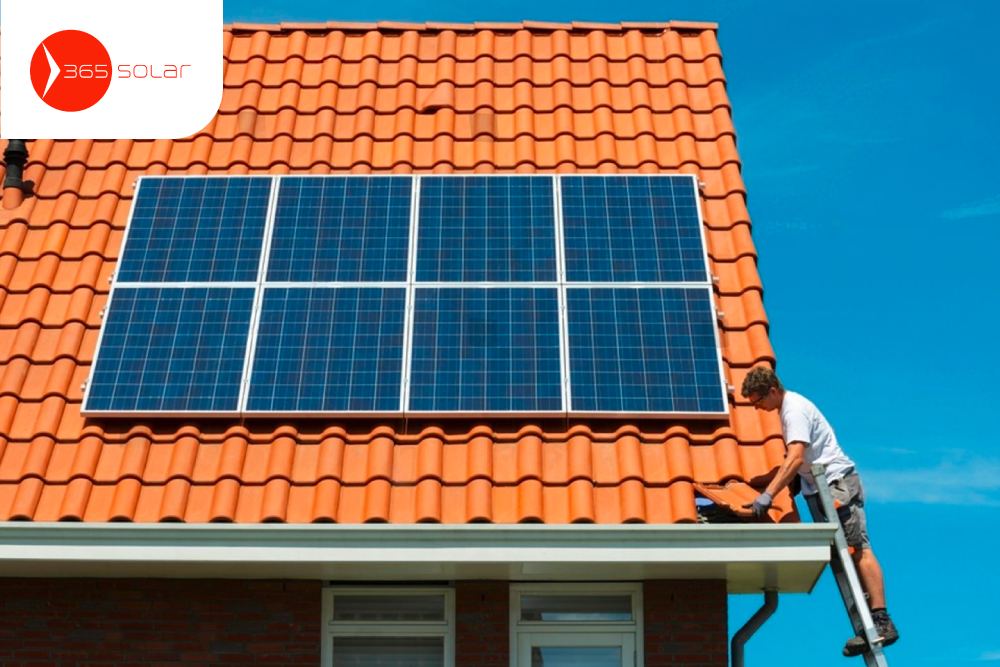
A solar monitoring system is a digital tool that tracks how much electricity your solar panels generate and how that energy is used within your home. Most systems collect data from the inverter and display it through a mobile app or web dashboard.
Depending on the setup, monitoring can show real time energy production, daily and monthly totals, household consumption, and how much power is imported from or exported to the grid. Some systems also provide alerts if performance drops or if a fault is detected, allowing issues to be addressed quickly before they impact long term savings.
Types of Solar Monitoring Systems
Inverter-Based Monitoring
Most modern inverters include built-in monitoring. These systems focus on how much electricity the solar panels produce and are often sufficient for basic performance tracking. They are ideal for homeowners who want simple visibility without complex data.
Whole-Home Energy Monitoring
Whole-home systems track both solar generation and household electricity usage. By measuring consumption at the switchboard, these systems show exactly how energy is used across the home. This option is particularly useful for families aiming to reduce energy waste.
Battery Monitoring Integration
Homes with battery storage benefit from monitoring systems that track battery charge levels, discharge cycles, and grid interaction. This ensures stored solar energy is being used efficiently, especially during evenings or power outages.
How Monitoring Helps Reduce Energy Bills
One of the biggest advantages of monitoring is the ability to identify energy habits that increase costs. Monitoring shows when electricity use is highest and whether it aligns with solar production hours.
For example, running appliances like washing machines or dishwashers during daylight hours allows households to use their own solar power rather than buying electricity from the grid. Over time, these small changes can significantly reduce power bills.
Solar monitoring systems in Melbourne are particularly useful for households dealing with time-of-use tariffs, as they help avoid peak pricing periods by shifting energy use to cheaper times.
Detecting Performance Issues Early
Solar panels and inverters are designed to last many years, but faults can still occur. Dirt buildup, shading from growing trees, inverter malfunctions, or wiring issues can all reduce output.
Monitoring systems make these issues visible by highlighting unexpected drops in performance. Early detection prevents long-term losses and ensures warranty claims can be made promptly if equipment faults arise. Regular monitoring gives homeowners confidence that their system is operating as intended.
Understanding Solar Monitoring Apps and Dashboards
Modern monitoring platforms present data in clear graphs and summaries. Most apps display energy production, consumption, and grid interaction on a daily, weekly, or monthly basis.
Understanding these figures helps homeowners make informed decisions. Kilowatt-hour data shows how much energy is generated and used, while export figures reveal how much excess energy is sent back to the grid. Over time, patterns become clear, allowing users to adjust behaviour and improve efficiency.
For users of solar monitoring systems in Melbourne, these insights are valuable during seasonal changes when energy demand shifts between heating and cooling.
Monitoring Solar Systems with Battery Storage
Battery-equipped homes gain additional insights through monitoring. These systems show how much energy is stored, when it is discharged, and how much grid power is avoided.
Monitoring helps ensure batteries are charging during peak solar hours and being used effectively in the evening. It also provides clarity on backup power availability during outages. Without monitoring, it is difficult to know whether the battery is performing optimally.
Choosing the Right Solar Monitoring System
Not all monitoring systems offer the same features. When selecting a system, homeowners should consider compatibility with their inverter, ease of use, and level of detail provided.
Local support is also important. Systems installed and configured by experienced professionals ensure accurate data and reliable operation. Choosing solar monitoring systems in Melbourne that are tailored to local energy usage patterns can make monitoring more practical and relevant.
Common Monitoring Mistakes to Avoid
Some homeowners install monitoring but rarely check the data. This limits the benefits significantly. Others misinterpret short-term fluctuations as faults or rely solely on electricity bills rather than real-time data.
Regularly reviewing monitoring data, understanding seasonal variation, and responding to alerts ensures the system continues delivering value. Monitoring should be an ongoing habit rather than a one-time setup.
How 365 Solar Supports Solar Monitoring
365 Solar ensures monitoring systems are properly configured and explained at installation. Our team helps homeowners understand their data and use it to improve energy efficiency. We also provide ongoing support to ensure systems continue performing as expected.
By helping customers interpret monitoring insights, we ensure solar investments deliver consistent savings and long-term reliability.
Making Solar Monitoring Part of Everyday Energy Use
Solar monitoring works best when it becomes part of daily energy management. Checking performance regularly, adjusting appliance usage, and responding to trends leads to better results over time.
With the right system and guidance, monitoring empowers homeowners to take control of their energy usage and maximise the benefits of solar power year after year.