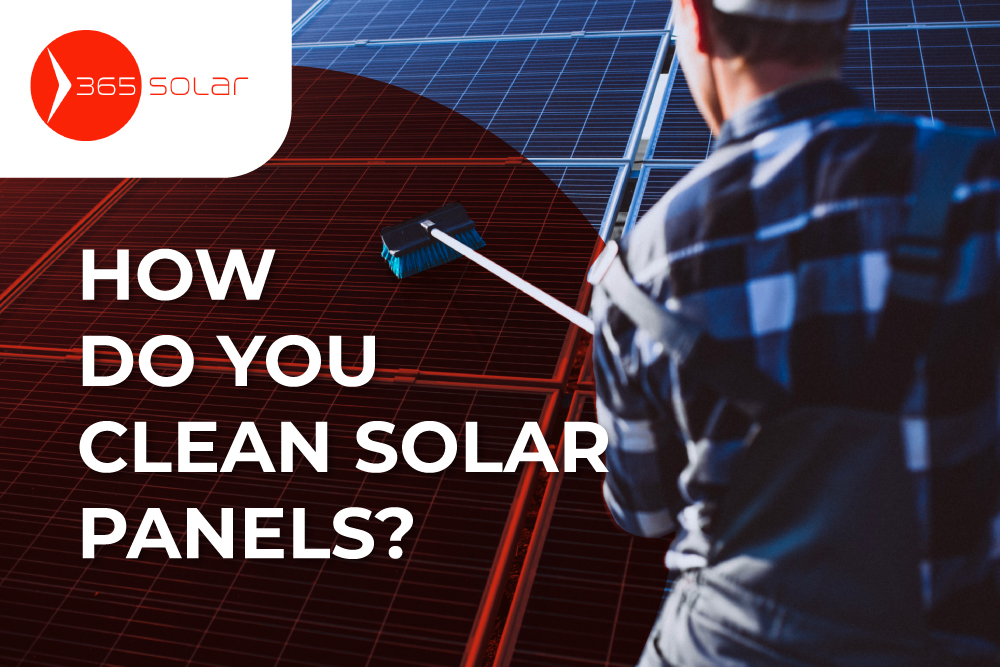
Quick, safe steps to keep your solar array at peak performance in Melbourne
Why Cleaning Is Important
Your solar panels are most effective when their surfaces are clean and free from obstructions. With time, dust, bird faeces, pollen, grime and other matter can build up. This “soiling” means less sunlight reaching the cells and several percent reduction in output. In Melbourne’s diverse climate, occasional cleaning can ensure efficiency and care for your investment.
When Should You Clean Your Solar Panels?
- If your panels are installed at a high angle, rain can wash away light dirt. But during drier months or near dusty roads, you might have to clean more frequently.
- Twice yearly is a fair benchmark. Cleaning may need to occur more often if there is intense dust, pollen, or bird traffic.
- Following large events such as dust storms, storms or leaves falling, it is a good idea to check and perhaps clean.
- Use your monitoring system: if you notice a sudden drop in output that isn’t caused by weather, it may be time to clean.
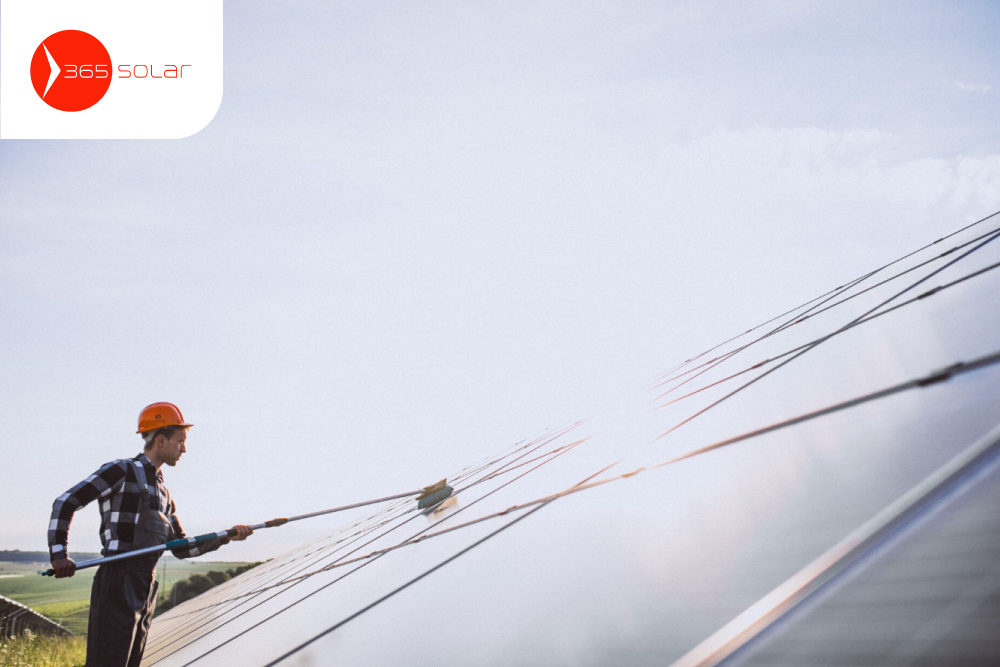
How Do You Clean Solar Panels Safely and Effectively?
Here’s a step-by-step guide on how do you clean solar panels in Melbourne all by yourself without harming them:
- Turn off your solar system: Switch off the inverter or system as per manufacturer guidelines before you begin.
- Inspect for damage: Inspect for cracks, chips, loose wiring or shading. If you notice severe damage, have a professional do it.
- Pick the best time: Early morning or late afternoon is ideal. Panels are cool then, which prevents thermal stress and fast drying that can cause streaks.
- Gently water with hose: Use a garden hose with gentle pressure to wash away loose dust. Avoid using a pressure washer.
- Apply mild cleaning solution: For hard grime, combine a little mild, non-abrasive soap with water. Apply with a soft cloth or sponge.
- Wash carefully: Clean in horizontal or vertical motion. Don’t brush hard or use abrasive materials.
- Rinse thoroughly: Ensure soap scum is completely rinsed out.
- Dry or let air dry: Use a rubber squeegee or allow panels to air dry naturally.
- Switch the system back on: Once dried, restore electricity and check the system is functioning properly.
Professional Cleaning or DIY
- If panels are steeply mounted, hard to access, or very dirty, calling in the professionals is safer and more assured.
- Professionals have specialized equipment, safety equipment and may offer inspection as part of service.
- Always refer to your warranty: some manufacturers insist on professional servicing at intervals, or will invalidate warranty if improper cleaning is carried out.
- Employ fully insured and professionally trained cleaners who operate within industry cleaning and safety standards.
- Don’t walk on panels. They can break easily or your weight could stress the frame.
- Never use abrasive scouring pads, wire brushes, or strong chemicals such as bleach or high-detergent cleaners.
- Don’t clean during hot panels in midday – water could evaporate too quickly or induce thermal shock.
- Use deionised or filtered water if your tap water is hard, to avoid mineral deposits.
- Trim nearby vegetation or trees to minimize leaf fall or bird droppings.
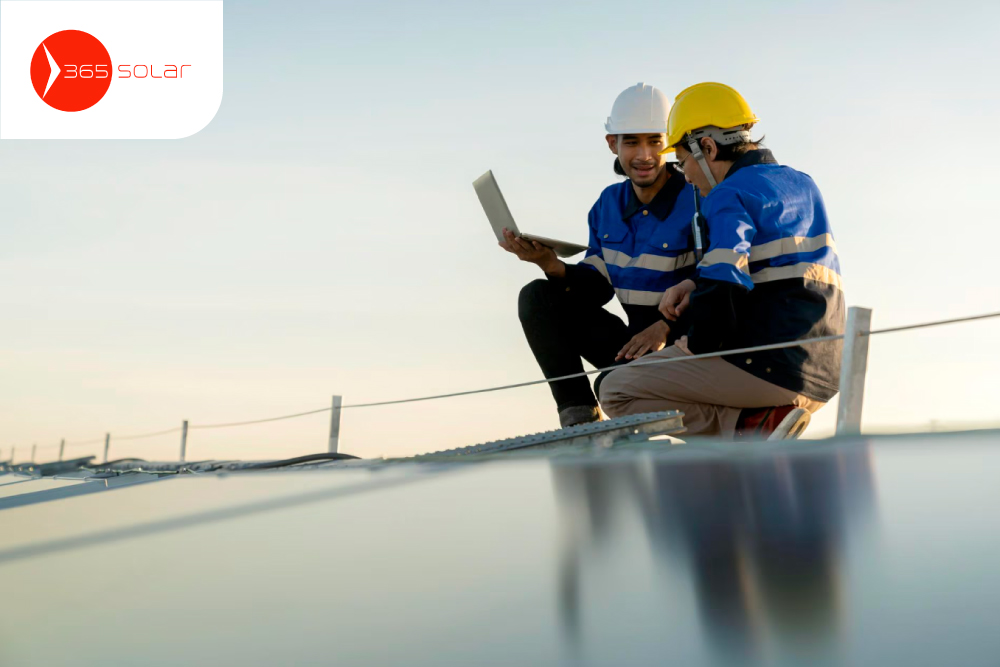
Special Note: Solar Panels Installation Melbourne
If you are looking at Melbourne solar panels, installing them well spaced, angled to water shed, and clear for cleaning is a good idea. That way regular cleaning is convenient, which prevents degradation over time. Before you sign up, get your installer to explain how easy the panels will be to access to service and how cleaning is included in your long-term maintenance plan.
Frequently Asked Questions
-
How often should I clean solar panels?
Every six months is a sound rule. More frequently if you are in proximity to dust sources, construction, or coastlines.
-
Will rain alone clean panels?
Occasionally rain does get rid of dust, but it tends to leave film, residue or grime. Rain is not always sufficient to get them clean.
-
Do I sacrifice output if panels are dirty?
Yes. Light dust or dirt may cut generation. Keeping panels clean ensures maximum output.
-
Should I hire a professional or do it myself?
If you are comfortable, secure, and the panels are within reach, DIY can be feasible. But for pitched roofs, high-rise houses or severe soiling, a professional is safer and more sure.