
A practical look at what commercial solar systems in Melbourne really cost, why system sizing matters, and how rebates, energy usage, and long-term maintenance affect your solar payback.
Wrong system size. Wrong rebate scheme. Wrong payback estimate.
These are some of the most common problems businesses face when comparing commercial solar quotes in Melbourne. The real issue often becomes clear a few years after installation, when the energy savings fail to match the numbers presented in the original sales proposal.
The reality is simple: a 30kW commercial solar system and a 100kW system have different costs, incentives, energy outputs, and payback periods.
Getting the sizing right from the beginning can make a significant difference to your return on investment. Get it wrong, and your business could end up paying more for the solar system than the savings it generates.
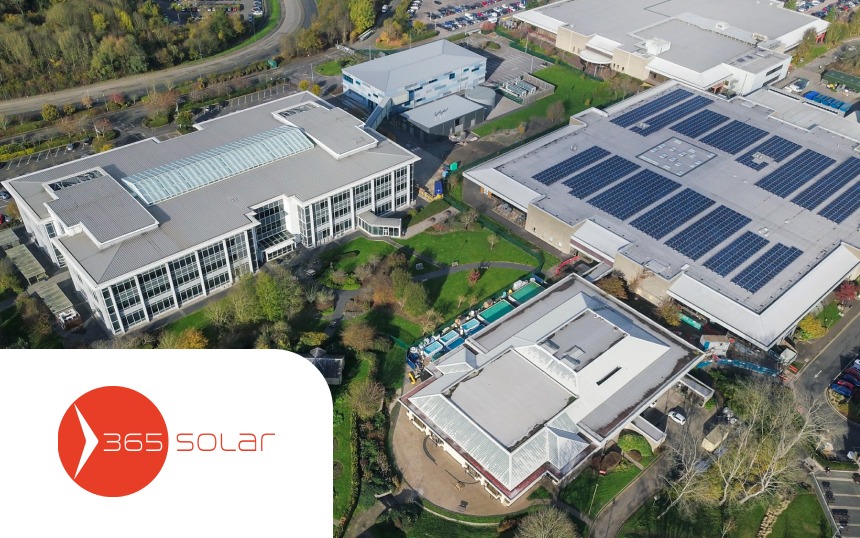
System Size Matters More Than the Brand
When it comes to commercial solar panels in Melbourne, system size is one of the most important factors to consider.
The size of your solar system can influence:
- Installation costs
- Available government incentives
- Energy generation
- Grid exports
- Electricity savings
- Return on investment
- Payback period
For example, systems around the 30kW threshold can fall under different federal certificate arrangements from larger systems. Once a system moves into the 100kW range, the applicable incentive structure and administrative requirements can change.
The cost also changes as the system gets larger. A commercial solar installation can range from tens of thousands of dollars for smaller systems to six figures for larger installations.
While the cost per watt generally decreases as system size increases, businesses should not assume that a larger system automatically provides a better return.
The right system is the one that matches the business’s electricity consumption.
Understanding Solar Rebates for Victorian Businesses
Government incentives can significantly affect the upfront cost of a commercial solar system.
Victoria’s Solar for Business Program has provided eligible small businesses with financial support for solar installations, subject to program requirements, system-size limits, business-size criteria, and other eligibility conditions.
Federal certificate schemes may also apply depending on the size and eligibility of the solar installation.
This is why businesses should determine which incentive scheme applies before finalising their solar system size.
Choosing the system first and checking the available incentives afterwards can result in missed opportunities or inaccurate return-on-investment calculations.
A reputable commercial solar installer in Melbourne should explain which incentives may apply to your project and how they affect the overall project economics.
Commercial Solar Payback Can Take Four to Eight Years
A properly designed commercial solar system can potentially achieve a four- to eight-year payback period, although the actual timeframe depends on factors such as system size, electricity consumption, installation cost, electricity prices, solar generation, financing, and available incentives.
Solar panels generate most of their electricity during daylight hours. Fortunately, many businesses also use most of their electricity during the day.
This makes commercial solar particularly useful for businesses with consistent daytime energy consumption.
A 30kW solar system in Melbourne can generate roughly 120–140kWh of electricity on a good average day, although actual production varies depending on weather, roof orientation, shading, system design, and seasonal conditions.
The important point is not simply how much electricity the panels can generate. It is how much of that electricity the business can use.
A warehouse operating throughout the day may consume a large percentage of its solar generation directly. A café that closes in the afternoon may have a very different energy profile.
Installing the same size system for both businesses could therefore produce very different payback results.
Don’t Ignore Long-Term Solar System Costs
Solar panels are designed to operate for decades, but not every component has the same expected lifespan.
Many quality solar panels come with long performance warranties and are designed to continue producing electricity for 25 years or more.
Inverters typically have a shorter operating life. Businesses should therefore consider the potential cost of an inverter replacement, often around the 10- to 15-year mark, when calculating the long-term financial return of a commercial solar installation.
Other factors to consider include:
- Solar panel degradation
- Inverter replacement
- System monitoring
- Cleaning and maintenance
- Repairs
- Warranty coverage
- Changes in electricity prices
Choosing quality equipment can increase the initial investment, but the cheapest option is not always the most cost-effective over the life of the system.
Businesses should also check the manufacturer’s warranty, financial stability, and after-sales support before selecting their commercial solar panels.
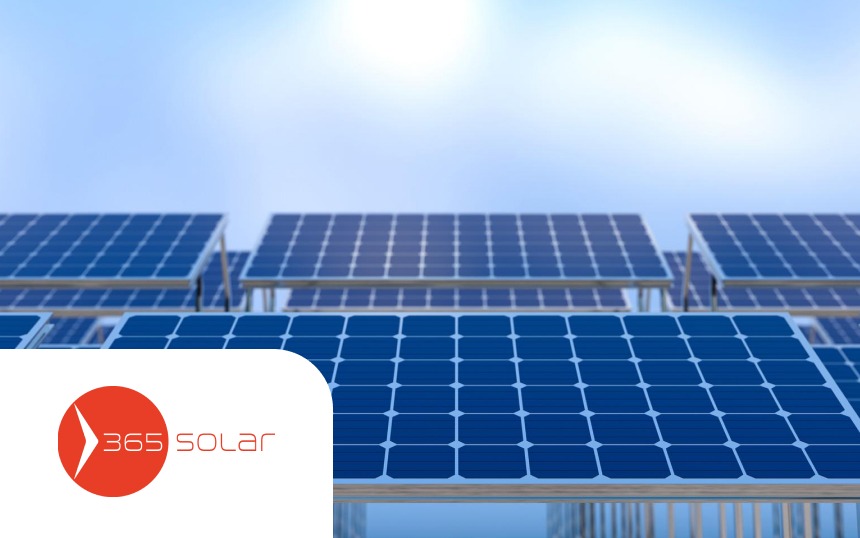
Get the Solar System Sizing Right Before Getting a Quote
The most important conversation should happen before the solar quote is prepared: How much solar does the business actually need?
Sizing a system purely according to available roof space can create problems.
A system that is too small may not generate enough electricity to make a meaningful difference to the business’s energy bills.
A system that is too large may generate more electricity than the business can use, resulting in excess power being exported to the grid at a lower value.
The best commercial solar system in Melbourne is therefore not necessarily the largest system that can fit on the roof.
It is the system that aligns with the business’s electricity consumption, operating hours, roof characteristics, budget, and long-term energy goals.
Commercial Solar Melbourne: Start With Energy Usage, Not Roof Space
For businesses considering commercial solar in Melbourne, the most effective approach is to start with electricity consumption data.
An experienced solar provider should review factors such as:
- Historical electricity bills
- Daytime energy consumption
- Business operating hours
- Seasonal electricity usage
- Available roof space
- Roof orientation and shading
- Existing electrical infrastructure
- Expected future energy requirements
This information provides a much stronger basis for system sizing than simply looking at how many solar panels can fit on the roof.
365 Solar has been helping Melbourne businesses size commercial solar systems around their actual energy usage since 2018.
The objective is simple: design a system that produces meaningful energy savings, supports a realistic payback period, and continues to deliver value over the long term.
When it comes to commercial solar Melbourne businesses can rely on, getting the system size right from the beginning can make the difference between a strong solar investment and a system that takes years longer than expected to break even.