
The federal battery rebate changed on 1 May 2026, Victoria’s own battery incentive was gone, and commercial solar runs on a different payback clock to a home system. Here is what actually applies across Melbourne and Victoria right now, and what is worth checking before a quote gets signed.
A year ago, most solar quotes across Melbourne listed a battery as an optional extra near the bottom of the page, priced high enough that most homeowners skipped straight past it. That has changed. More installers are now quoting solar and battery together as one system by default, and the shift has less to do with sales tactics than with where the federal rebate landed after this year’s changes.
Two things moved in 2026 that reshaped the numbers: the battery rebate went fully federal, and commercial solar started attracting a different kind of buyer than it did even two years ago. Neither one behaves the way older quotes and older advice still assume, which is the part worth unpacking properly.
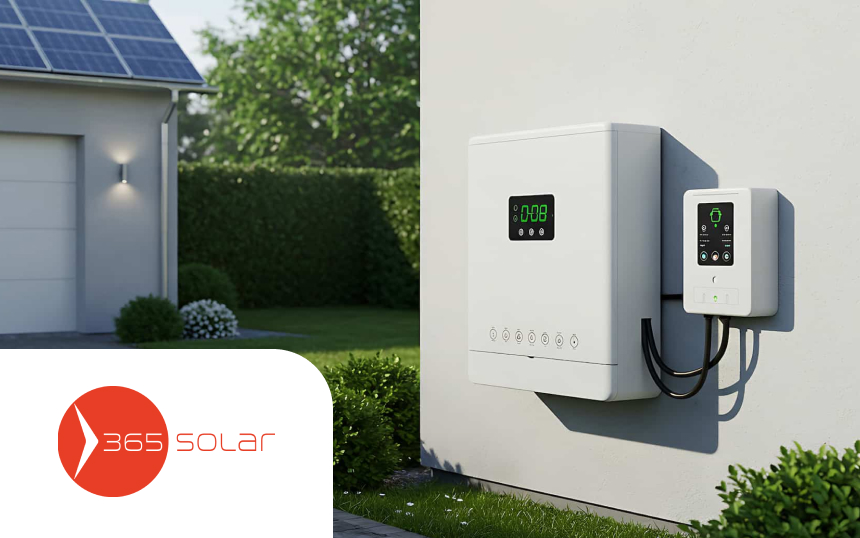
The Battery Rebate Changed on 1 May 2026, and others Have Not Caught Up
Victoria used to run its own battery rebate alongside the federal one. That state-based support is gone; the Solar Homes Program’s battery loan is no longer accepting applications. Every dollar of battery incentive available to a Melbourne household now comes through the Australian Government’s Cheaper Home Batteries Program, which began offering a discount of around 30 per cent on the upfront cost of eligible batteries from 1 July 2025.
The mechanics changed again on 1 May 2026. Support is now tiered by capacity: the first 14 kWh of usable battery storage attracts the full rebate rate, worth roughly $252 per kWh, while capacity beyond that is discounted at a lower rate. For a household installing a 10 kWh battery in Melbourne, that works out to around $3,300 coming straight off the price at the point of sale, provided the installer applies it correctly. Eligible systems range from 5 kWh to 100 kWh of nominal capacity. A quote that still references a separate Victorian battery rebate, or skips the 1 May changes entirely, is working from an out of date script.
Comparing Melbourne Solar Panels and Battery Pricing in 2026
Pricing for Melbourne solar panels has settled into a fairly predictable range this year. A standard 6.6 kW system typically lands around $6,000 once rebates are applied, with 6 kW and 7 kW variants sitting slightly either side of that figure. Battery pricing carries a wider spread, generally between $7,000 and $16,000 installed, depending on the brand and the usable capacity chosen, and most households can expect a payback period somewhere between five and twelve years depending on how much electricity they use after dark.
The reason why timing matters so much comes down to a simple gap in what electricity is worth. Solar exported back to the grid during the day is typically credited at somewhere between 4 and 7 cents per kilowatt hour. The same electricity, stored and used at night instead, replaces grid power that would otherwise cost closer to 30 cents per kilowatt hour. That gap is what makes a battery worth adding for a household that is out at work all day and using most of its power in the evening, and why it makes far less sense for a household already using most of its solar in real time.
Commercial Solar Installation Runs on a Completely Different Clock
Businesses weighing up a commercial solar installation are not working from the same standard as a household. Most commercial operations use most of their electricity during business hours, exactly when solar output peaks, so the case for a battery is far less urgent than it is for a home. Victoria’s Solar for Business Program still applies here: eligible businesses can claim a rebate covering up to 50 per cent of the cost of an approved system, capped at $3,500, plus an interest-free loan of up to $5,000, provided the business employs at least one person beyond the owner, stays under 50 full-time equivalent staff, and operates from a non-residential, individually metered premises.
System size changes which certificate scheme applies. Systems under 100 kW generate Small-scale Technology Certificates, while anything larger moves into Large-scale Generation Certificates instead, and the paperwork for either should be handled by the installer, not the business owner. A well-designed 30 kW commercial system can generate somewhere around 120 to 140 kWh a day in Melbourne conditions and typically pays for itself in four to eight years, well inside the 25 to 30 year lifespan most premium panels are built for. For a business still paying full daytime electricity rates, every additional year without solar is a year of margin handed straight to the grid.
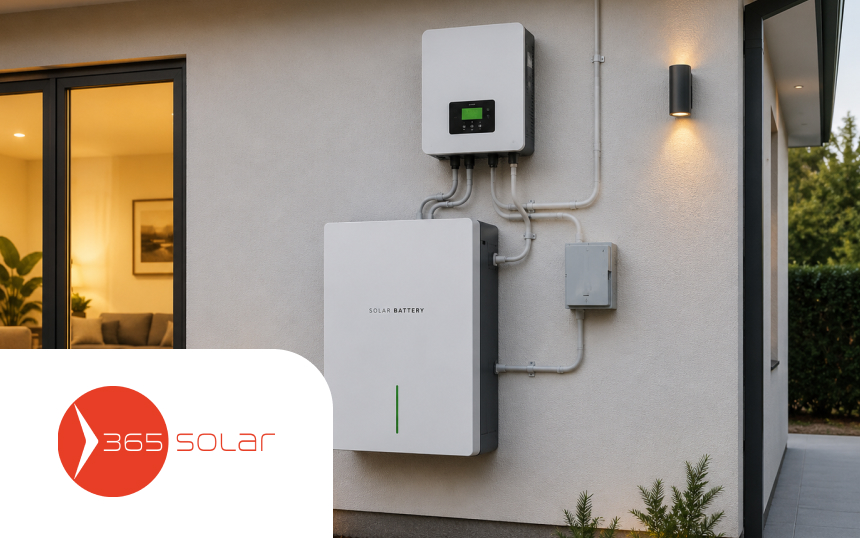
Not Every Solar Quote Includes an Installer Accredited to Fit the Battery
Rebate rules change every year, and the households and businesses that come out ahead are usually working with an installer who tracks those changes, not one relying on a quote that was accurate months ago.
It is worth asking directly whether a quoted price already reflects the 1 May 2026 battery changes, whether the STC or LGC paperwork is handled in-house, and whether the same team installing the panels is also accredited to install and configure the battery. Solar companies Melbourne wide are increasingly quoting battery hardware they do not actually install themselves, subcontracting the job out instead, which is exactly the kind of split that makes a warranty claim is harder to chase down later.
The Question Worth Answering Before a Battery Gets Added
The honest answer for most Melbourne homes and businesses right now is that solar on its own is still worth doing on its own numbers, and a battery is worth adding once the rebate, the usage pattern and the payback period all line up, rather than because a quote bundled it in by default.
365 Solar Australia has installed residential and commercial solar, battery storage and monitoring systems across Melbourne and Victoria since 2018, as a Clean Energy Council approved and Tesla Powerwall certified installer, and manages the STC, LGC and rebate paperwork in-house for every system it fits. Whichever way the numbers land, they are worth working through properly before a battery becomes a checkbox at the bottom of a quote instead of a decision made on its own merits.