
“Free!” It’s a trap. Solar rebates in Victoria can significantly reduce the cost of a heat pump hot water system. This guide explains what the rebates actually cover, why heat pumps are one of the most overlooked upgrades for solar households, and how to choose a provider who will still be accountable long after installation.
Search “heat pump hot water Melbourne” right now and more than one result promises a free heat pump, no cost, no catch. Solar Victoria has already addressed this directly: there is no such thing as a free heat pump hot water system in Victoria in 2026, and any company advertising one is not complying with the program rules that make the rebates possible in the first place.
That is worth a second thought, because it says something bigger than just one shady ad. The company running that offer is either misunderstanding the rebate stack or banking on nobody checking, and neither one is a great sign for who ends up on your roof, or in your hot water cupboard, next.
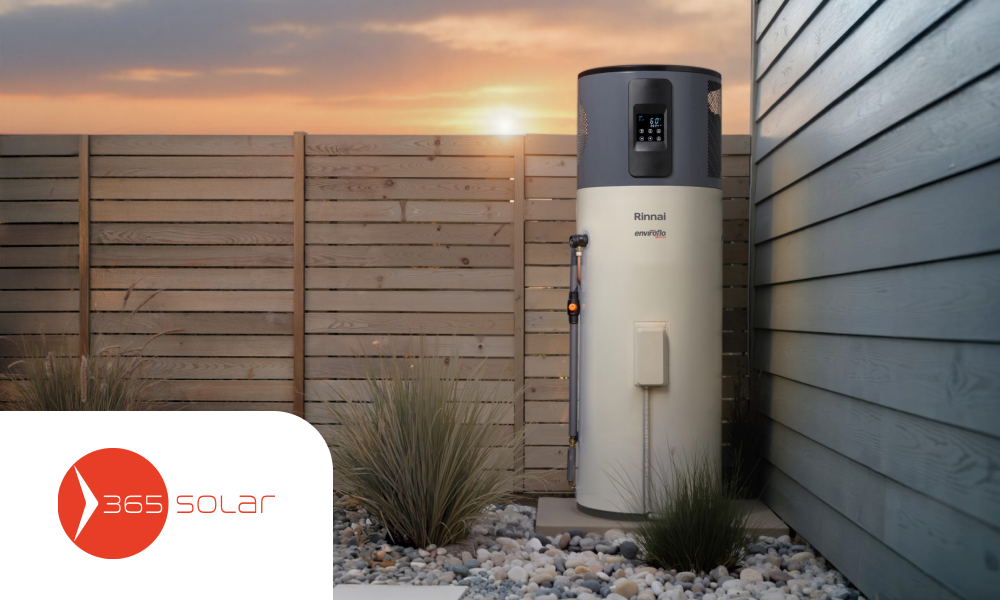
What a Genuine Heat Pump Rebate Actually Looks Like
The real numbers are still good, just not free. A heat pump hot water system installed in Victoria can combine three separate incentives: a Solar Victoria hot water rebate of up to $1,000, rising to $1,400 for an eligible locally made unit, a Victorian Energy Upgrades discount that moves with the certificate market, and a federal STC rebate on top of both. Stacked together, that can meaningfully cut the upfront cost, sometimes by more than half depending on the system and the household’s eligibility. From 1 July 2026, household income also needs to sit at $150,000 or under to qualify for the Solar Victoria portion, the same threshold now applied across the state’s solar and hot water rebates. Picture a typical Melbourne household spending around $700 a year heating water with an old electric storage system. Swap that for a heat pump and the running cost typically drops to somewhere between $200 and $250 a year for the same usage, a saving that keeps compounding for as long as the unit is on the wall, not just in the first year after the rebate is applied.
Why Hot Water Is the Upgrade Most Solar Households Skip
Hot water is usually the second-biggest energy cost in an Australian home after heating and cooling, and a heat pump system uses roughly a third of the electricity of a standard electric resistance unit to do the same job, because it moves heat from the air rather than generating it directly. For a household that already has solar panels, that makes a heat pump close to the ideal appliance to run in the middle of the day, soaking up power the panels are already generating rather than paying peak grid rates for hot water heated overnight. Most households spend years upgrading everything else on the roof and never get around to the cylinder in the garage doing the same job it did a decade ago.
Solar Company, Solar Installer, or Neither? The Difference Matters
Not every solar company that quotes a job is the business that turns up to do it. A lot of the largest names in the space operate as retailers: they sell the system, then subcontract an accredited installer to actually put it on the roof or plumb it in. That is not automatically a problem, but it does mean the person answering the phone when something goes wrong might be several steps removed from the person who did the work. The same split shows up just as often among solar panel companies quoting hot water heat pumps, where the panels and the heat pump end up handled by two entirely different subcontracted crews under one sales umbrella. One practical way to check: the electrical compliance certificate and the plumbing compliance certificate for the same job should both list a business you can actually reach, not two different subcontractors neither of whom recognise the job when a warranty question comes up eighteen months later.
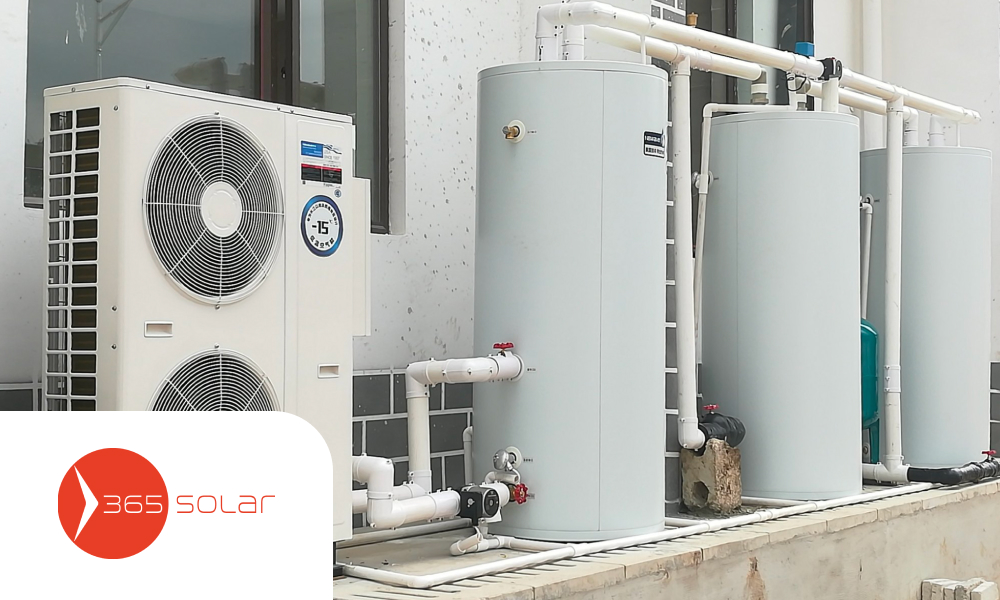
What Actually Matters When One Company Handles Both
The businesses worth trusting with both jobs, panels and hot water, tend to have one thing in common: their own installers do both, rather than farming the heat pump out to whoever is available that week. Ask directly whether the same team that installed the panels can also handle the hot water system, whether the rebate paperwork is managed in-house, and whether the workmanship warranty covers the heat pump the same way it covers the panels. A business that hesitates on any of those three is telling you something, even if the quote looks competitive. A verbal assurance at the kitchen table is not the same thing as a warranty in black and white, and the businesses confident enough to put it on paper are usually the ones with nothing to hide about who actually does the work. This is also where solar installation companies start to separate from each other in practice rather than on paper, since anyone can claim to be thorough until a second trade, plumbing instead of electrical, is added to the job.
Where 365 Solar Fits In
365 Solar Australia installs home solar systems, solar battery systems and hot water heat pumps with its own team across Melbourne and Victoria, and does not subcontract either job out. The same crew that assesses a roof for solar can size and install a heat pump to run off it, and the rebate paperwork for both is handled the same way, in-house, before a single invoice goes out.
So the next time you see “Free,” it’s a waving red flag, do not fall for it. The honest number is still a good one. It is just not zero.