
The panels themselves rarely cause delays during a solar installation. More often, the problem starts with a missed roof inspection or a grid approval that nobody followed up.
Rebates and installer accreditation often get the most attention when homeowners research solar panels in Melbourne. But neither determines whether a system will be installed on time.
Solar installation in Melbourne can be delayed by something much simpler: a roof that was not properly checked or a grid approval that was not completed before the installation date.
Before booking an installation, make sure these three things are covered:
- A proper roof inspection, not just a satellite image, before the quote is finalised.
- Grid pre-approval lodged with the local electricity distributor before the installation date is confirmed.
- The electrical safety certificate and system documentation provided on the day of installation.
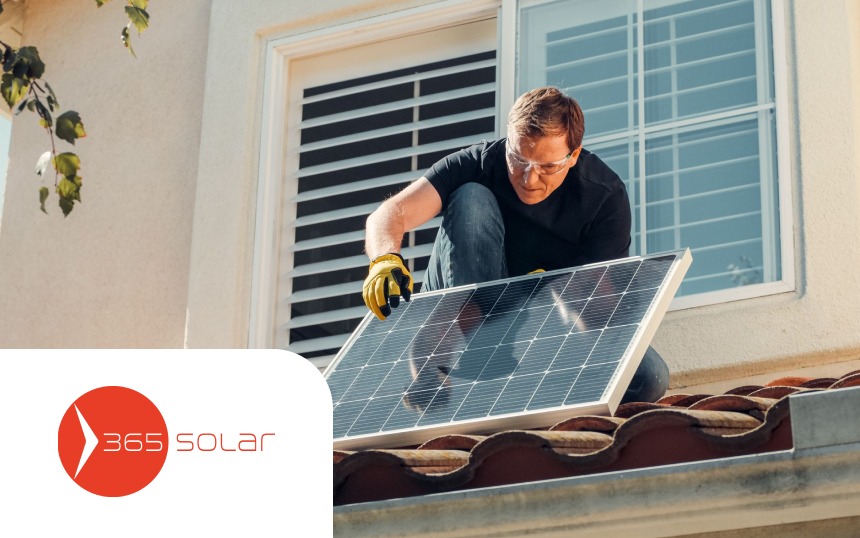
Check the Roof Before Checking the Panel Brand
Solar panels can come with warranties of 25 to 30 years. Your roof may not last that long.
A roof that is more than 20 years old, has cracked tiles, rust or signs of previous water damage may not be suitable for new mounting hardware without some repairs first.
Installing Melbourne solar panels on a roof that needs work within the next few years can also mean paying for labour twice. The system may need to be removed temporarily so the roof can be repaired before the panels are installed again.
Tile roofs can require extra care too. Terracotta and concrete tiles are common across Melbourne’s established suburbs, but older or brittle tiles can crack when mounting brackets are installed.
That is why a roof inspection should happen before the quote is finalised, not after the installation has been booked.
The Grid Has to Approve the System Before It Switches On
A new solar system cannot always be switched on immediately after installation.
The local electricity distributor needs to approve the grid connection first. This helps ensure the system and meter can correctly handle electricity being exported to the grid.
For many Melbourne homes, the process can be completed remotely. However, the approval still needs to be lodged and processed.
If it has not been completed before installation, you could end up with a fully installed system that cannot be switched on straight away.
In some cases, the meter may also need to be physically replaced or upgraded. This can require a technician visit and may add a small cost.
Before confirming your installation date, ask:
- Has the grid application been lodged?
- When was it submitted?
- Has approval been received?
- Will the meter need to be physically changed?
Knowing the answers can help prevent unnecessary delays.
Panels, Inverter and Switchboard Go On in a Set Order
A standard residential solar installation can take one to three days, depending on the system size and installation requirements.
The installation process generally involves:
- Mounting the rails to the roof.
- Installing the solar panels.
- Installing the inverter in a suitable location.
- Running the cabling back to the switchboard.
- Testing and commissioning the system.
- Setting up the monitoring system and explaining how it works.
It can be useful to be home for at least part of the installation. Small decisions, such as the exact location of the inverter, may need to be confirmed on the day.
If you have a tiled roof, it is also worth having some spare tiles available. Older tiles can sometimes crack or break while mounting brackets are being installed.
Before the installers leave, ask for your electrical safety certificate and system documentation. Getting these documents immediately is much easier than trying to track them down later when you need them for a warranty claim or other paperwork.
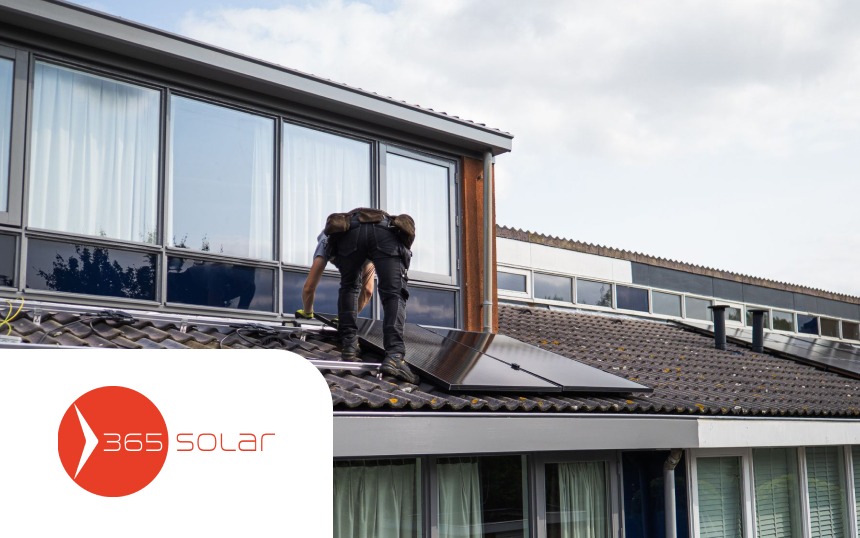
365 Solar Handles the Paperwork and the Panels
Solar power systems in Melbourne rarely experience problems because of the panels alone.
Delays are often caused by something that happened earlier in the process, such as a missed roof inspection or an outstanding grid application.
365 Solar manages these steps as part of the installation process rather than leaving important paperwork until later. This helps keep the inspection, approvals and installation connected from start to finish.
Solar power in Melbourne works best when the details are handled before the installation crew arrives.
These steps may not appear in a basic quote comparison. But they can make the difference between a system being installed on the promised date and a completed system sitting on the roof waiting for an approval that was never followed up.